Tickets to Hertha Berlin 2026/27
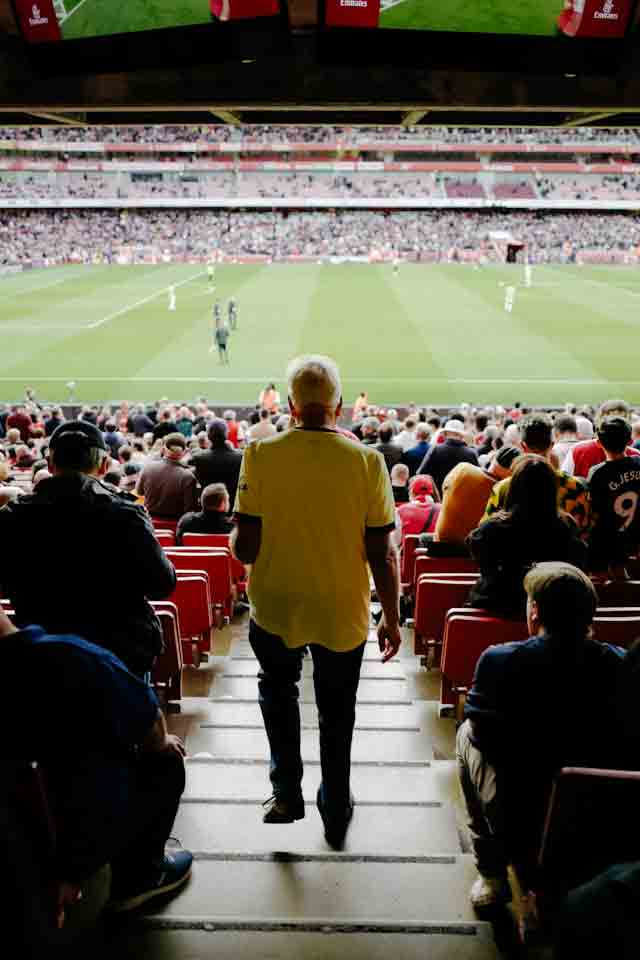
Hertha Berlin represent over a century of Berlin football, a club whose blue-and-white identity runs through both halves of the city's divided history. Arriving for a home fixture, you notice it immediately: supporters who have followed the club through relegations and promotions alike, singing from the first whistle, and a matchday atmosphere that carries genuine weight. The Bundesliga may be the bigger stage, but there is a particular intensity to second-division football when a historic club is pushing for a return, and Hertha's home matches in 2026/27 carry that edge throughout. A compelling fixture to target and a city worth travelling for.
Where to buy Hertha Berlin tickets
The main routes for purchasing tickets for Hertha home fixtures are through the club's official channels and through third-party resellers. Official channels are typically accessible to members first, which means direct purchase can be limited for fans without a membership. Resellers and authorised partners offer a practical alternative, covering a wider range of fixtures and often providing combined ticket and accommodation options. When choosing a seller, look for a clearly stated delivery format, a buyer protection policy that covers postponements and cancellations, and contactable customer support. For the Berlin derby or matches against promotion rivals, booking as soon as the fixture date is confirmed is the sensible approach.
Sections and price levels
Ticket pricing for Hertha matches varies depending on the fixture type and where you sit relative to the home supporter areas. League matches against mid-table 2. Bundesliga sides sit at the lower end of the price range, while high-profile fixtures, including the Berlin derby against Union Berlin, command a significant premium. Match tickets sourced through resellers will typically reflect that demand through higher face values. Buying Hertha Berlin tickets earlier in the season for marquee fixtures generally means a wider choice of options. Cup matches can be strong alternatives if you want a compelling atmosphere without the premium attached to a derby weekend.
Match packages with accommodation
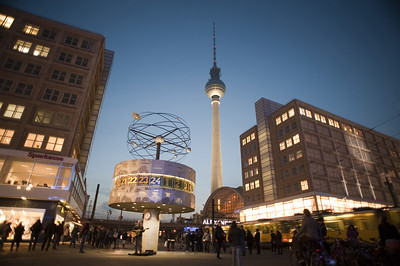
Travel packages listed on footballticketscompare.com combine a match ticket with hotel accommodation for fans travelling to Berlin. Most cover one or two nights, with hotels typically in central Berlin or well connected by public transport to the ground. Some packages include additional options such as airport transfers. For a Berlin derby or a fixture against promotion rivals, arranging both ticket and accommodation in a single booking removes one layer of coordination. Check each package's terms carefully regarding what is covered if the match is rescheduled, since policies vary between sellers and this matters particularly for fans who have also booked flights independently.
Olympiastadion, Berlin
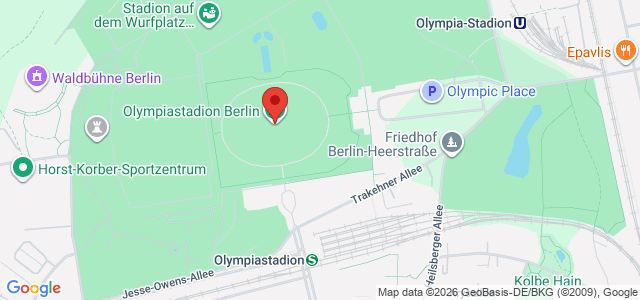
The Olympiastadion was originally built for the 1936 Summer Olympics and has hosted Hertha Berlin as their home ground for decades. The venue holds approximately 74,000 spectators, making it the largest club football stadium in Germany. The S5 S-Bahn line runs directly to Olympiastadion station, a short walk from the ground, with the journey from Alexanderplatz taking around 20 to 25 minutes. On matchdays, services run frequently and the train is the most practical way to travel. Driving is possible but parking is limited and traffic after the final whistle is slow.